-
2026-09-02
-
71
-
투자유치기획과 (032-453-7663)
Make Your Own Korean Desserts and Eat Them Too
Sheelpa Kothari Sorti
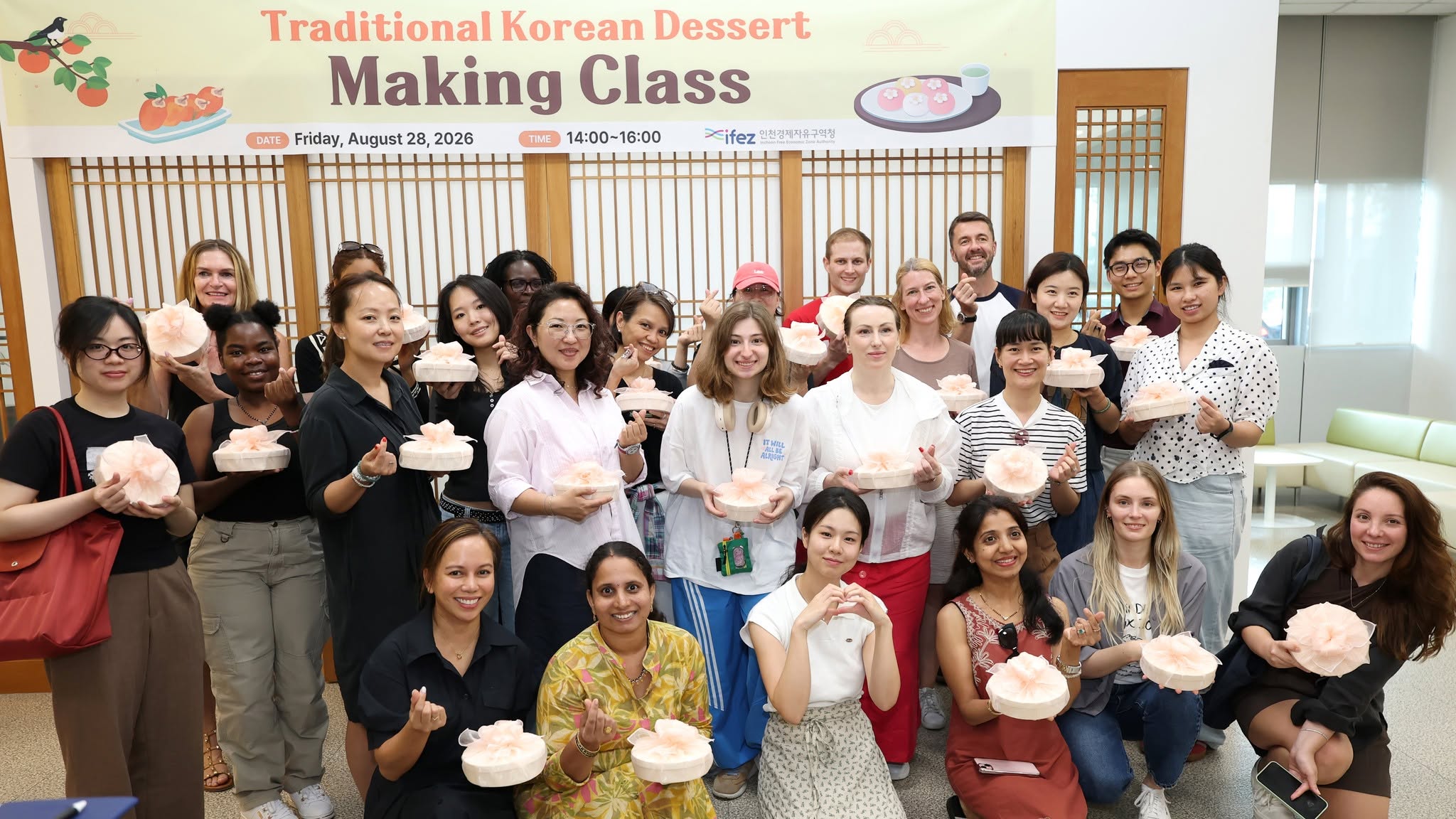
Last week, I had a chance to participate in a traditional Korean dessert making class. Korean Desserts? You may ask!
That's true.
Unlike other cooking cultures, Korean desserts are not creamy sweet dishes like cheesecakes or ice creams, meant to satisfy your sweet tooth as the last course of a hearty meal. Korean desserts are neither part of a meal nor are they overtly sweet calorie bombs. Instead, they are mildly sweet, nutritious and healthy delicacies usually enjoyed as a snack with tea or wine. In your first glance, you will find them not only aesthetically pleasing but also appealing to you with their classiness.
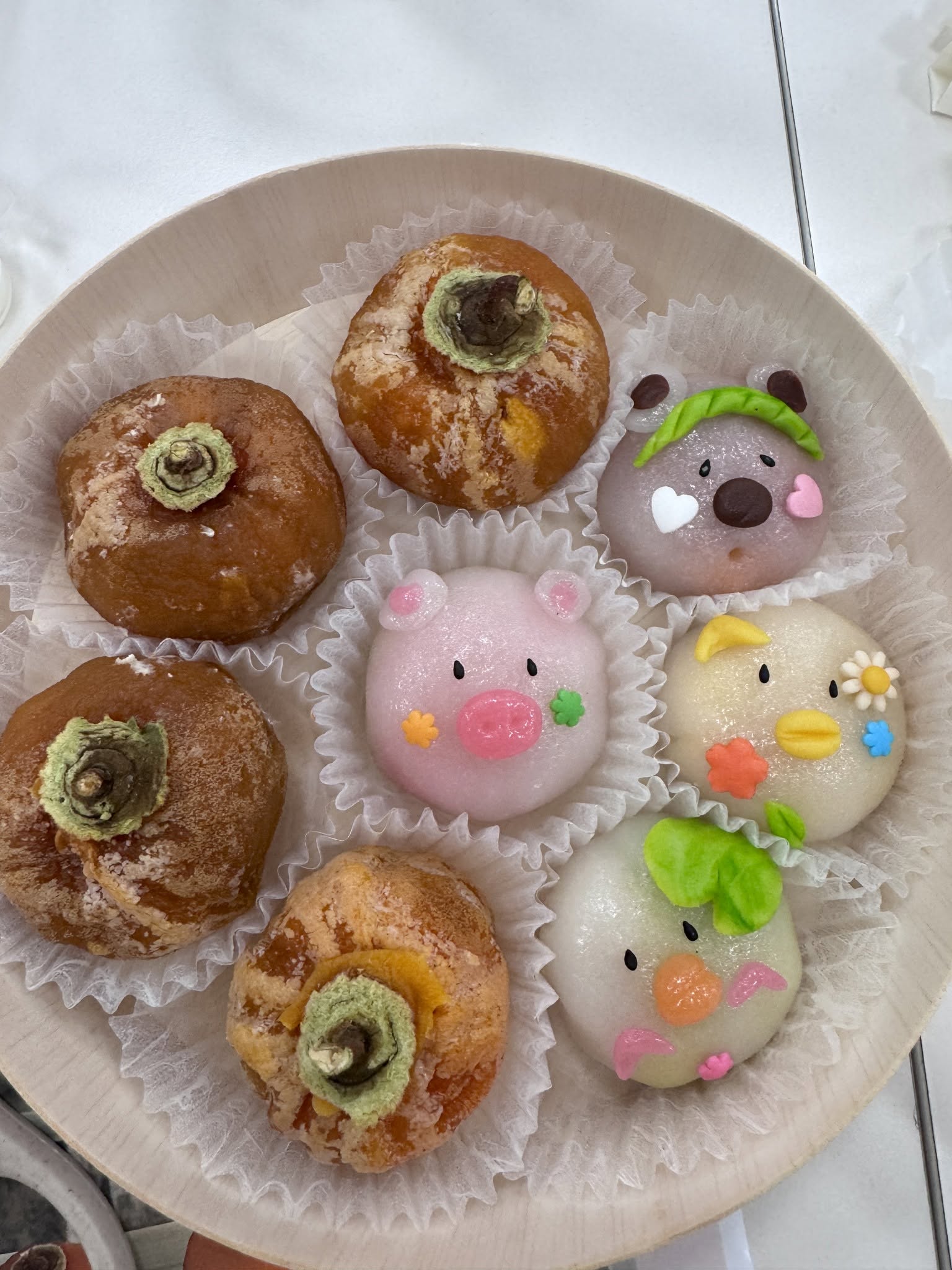
Although, I have seen Korean 'desserts' peeping out of the restaurants' showcases but had never tried them. So, this was my first 'hands-on' experience with 'Chapssal-tteok' (glutinous rice-cake filled with bean paste) and royal ‘Gotgam-danji’ (dried persimmons stuffed with cream cheese and nuts).
The lesson, which lasted almost 2 hours, was most relaxing and fun despite comprising around 30 participants from varied nationalities. Thanks to IFEZ as all the preparations, including the chef (Seoyeon Kim) and the translator (Jenny) were all perfect to the T.
There was aesthetics involved in everything. The chef brought each ingredient and even the tiny-winy decorative bits which was evidence of Koreans' perfectionism.
The sample 'Chapssal-tteok' ', the first dessert, was inspired by adorable characters from Korean jjimjiband culture. I got to make super cute chewy tteok which is no less than a delicacy, even perfect for gifting.
Next I made authentic, traditional and luxurious ‘Gotgam-danji’. You can make this royal treat in just 5 minutes to enjoy with tea. It has a creamy nutty filling inside a dried persimmon jar which adds chewy, slightly tangy and naturally sweet taste all at the same time along with a subtle earthy smell.
To add a bit more involvement from the participants, we were given creative liberty to decorate the rice cakes and the best two creations were awarded as well.
Indeed, it was the most deliciously creative way to experience K-culture through enjoying its flavours, especially by learning to cook it, understand it, and immerse ourselves in it.