- Date 2026-01-09
- Hit 47
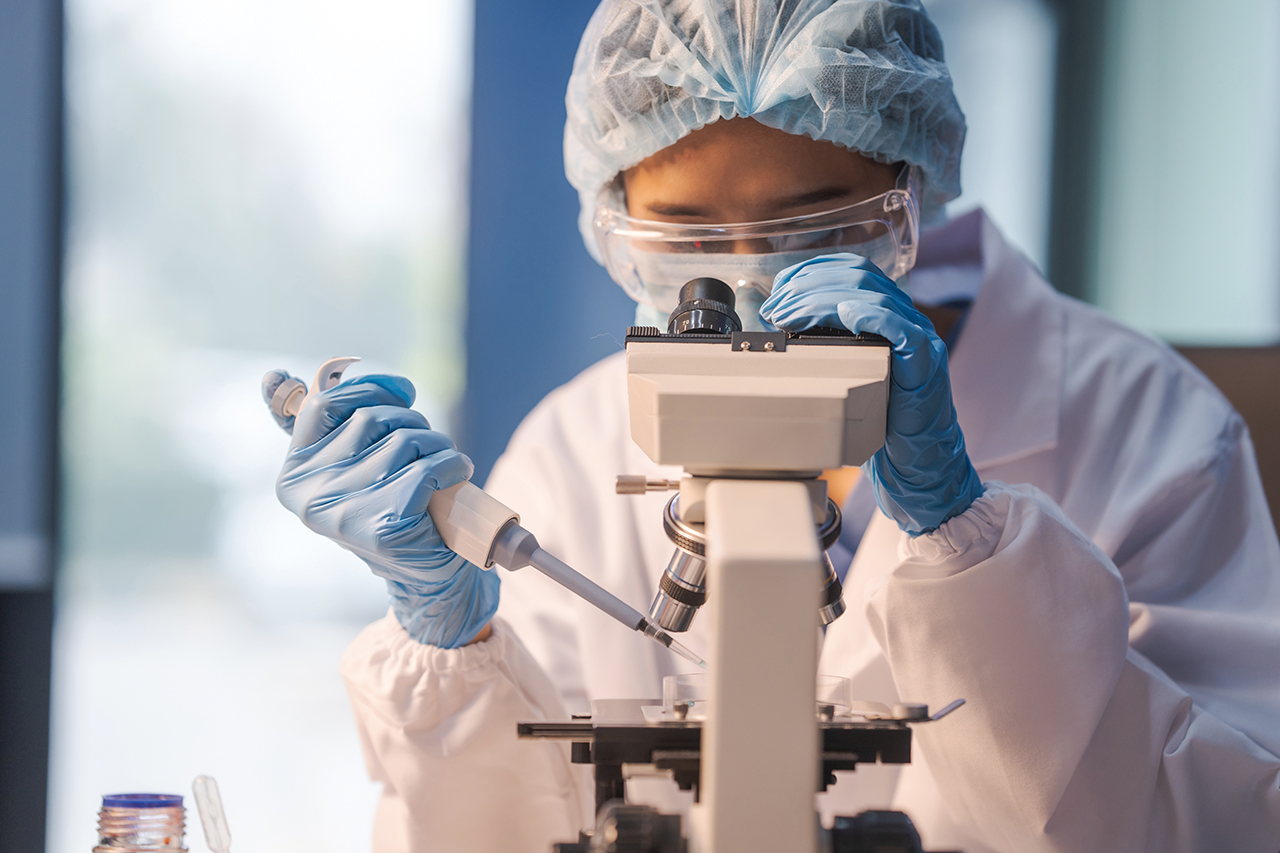
In November 2025, the Bioprocessing Training Center opened in Songdo, Incheon. After being selected through a public call by the Ministry of Trade, Industry and Energy in 2020, the center has entered full-scale operations. This is significant in that Incheon—recognized for its world-class biopharmaceutical production capabilities—has identified the development of talent and technology as a central pillar of its future strategy for driving innovation in the bio industry.
The growing demand for such infrastructure reflects a shortage of skilled, field-ready personnel—a key component of the success and growth of the bio industry. For biopharmaceutical process development to grow, field-ready skills are essential—ranging from knowledge of GMP (Good Manufacturing Practice)-based facilities to the control of process variables and the analysis of quality data. However, until recently, there have been few domestic hubs offering global-standard curricula alongside GMP-based practical training infrastructure.
By selecting Incheon as the base for the Korean National Institute for Bioprocessing Research and Training (K-NIBRT), the Ministry of Trade, Industry and Energy and the Ministry of Health and Welfare have underscored the government’s strong commitment to addressing the shortage of skilled talent at the national level. The initiative seeks to cultivate an additional 2,000 field-ready experts each year, laying the foundation for Korea’s advancement into a leading global bio powerhouse.
The training program offered by the National Institute for Bioprocessing Research and Training (NIBRT) in Ireland provides practical, end-to-end education in biopharmaceutical manufacturing processes using industry-scale facilities and curricula, and is widely regarded as a global benchmark for the pharmaceutical and biotechnology sector.
which has already established itself as a world-class bio cluster. IFEZ stands out as an integrated urban bio cluster hosting global leaders such as Samsung Biologics, Celltrion, SK, and Lotte. It boasts a production capacity reaching roughly 1.16 million liters in 2023, an amount that is expected to expand to 2 million liters by 2030. It also benefits from a well-integrated ecosystem in which logistics infrastructure, universities, research institutions, and large hospitals are closely interconnected, supported by access to nearby airports and ports.
Having been selected by the Ministry of Trade, Industry and Energy as a National Advanced Strategic Industry Specialized Complex for Biotechnology, Incheon has officially formalized a mega-cluster spanning Songdo, the Namdong Industrial Complex, and Yeongjong. In particular, Songdo is evolving from a manufacturing-oriented base into an innovation hub, expanding its R&D and platform functions through the establishment of the K-Bio Lab Hub, the attraction of global raw and subsidiary materials companies, and the clustering of digital healthcare enterprises and research institutions.
Incheon’s distinctive ecosystem is in perfect alignment with government policies that define biohealth as a key pillar of the nation’s advanced strategic industries and aim to elevate Korea into a global top-five bio powerhouse.
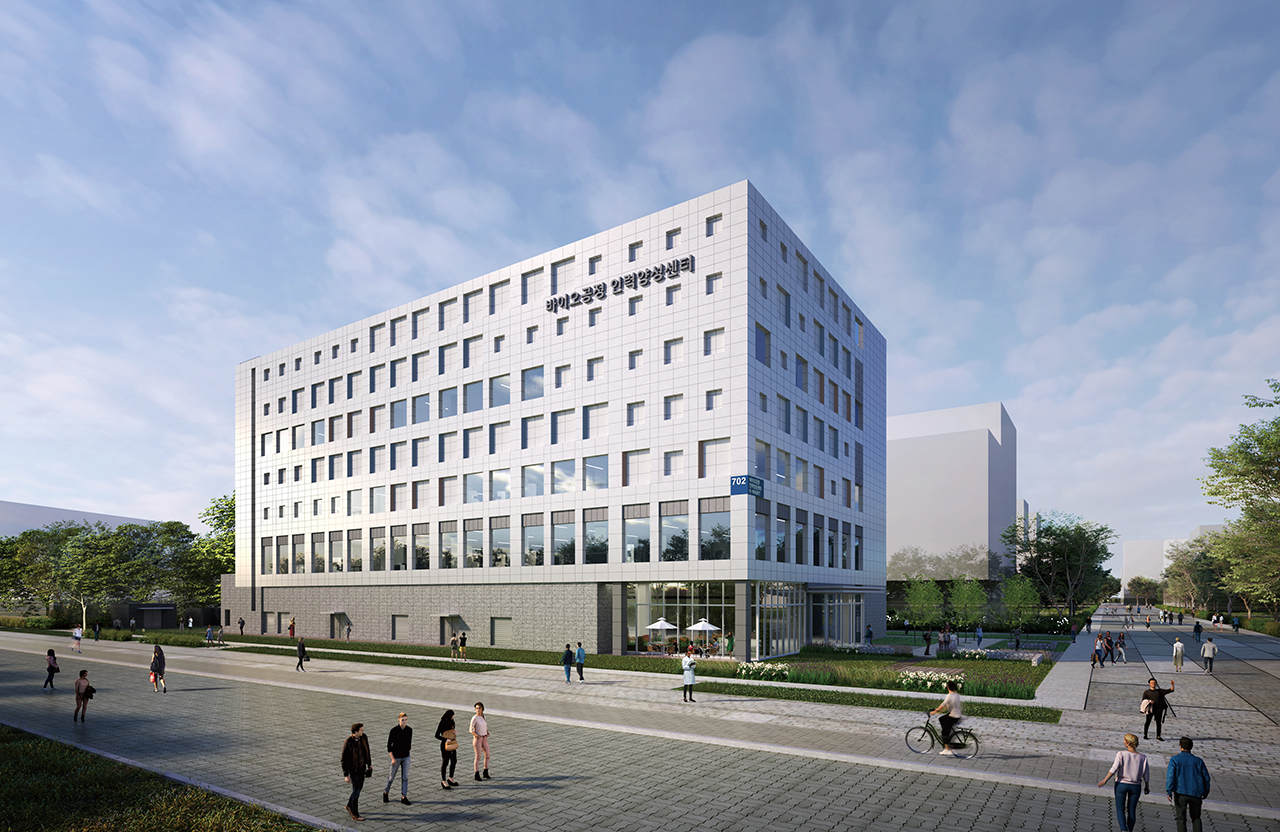
To advance the Bioprocessing Training Center into a leading hub for bio talent development, it is necessary to address several key challenges, as outlined below:
Above all, the foremost priority lies in the Center achieving self-sustainability and diversifying its revenue base.
Although the Center began its operations with financial backing from the Ministry of Trade, Industry and Energy, the Ministry of Health and Welfare, and the City of Incheon, as well as through collaboration with Yonsei University and Incheon Technopark, it is now necessary for the Center to establish strategies so it can stand on its own. Specifically, the Center should build the capacity for financial self-sufficiency and establish a foundation for stable operations resilient to changes in external conditions such as budget fluctuations by developing a diversified portfolio of revenue models—including company-specific training, outsourced training programs, shared use of equipment and facilities, and consultation on process optimization, quality, and regulatory compliance.
The second major priority is to enhance the collaborative framework.
The elements of education, research, hiring, and re-education should be connected into a continuous virtuous cycle by building long-term partnerships that encompass co-designed curricula involving Incheon City, the IFEZ Authority, Yonsei University, Incheon Technopark, and industry; hands-on training combined with process development and validation; internship-to-employment pathways; workforce reskilling; and programs for startups.
The third major priority is to ensure continuous adaptation to shifts in technological paradigms.
The landscape of the bio industry is evolving at a rapid pace, driven by advances in cell and gene therapies, mRNA technologies, next-generation vaccines, and AI- and data-driven processes. Only by establishing an in-house function dedicated to future technologies and educational innovation, and by continuously managing roadmaps for technology and talent demand, can the Center effectively respond to changes across the industry and at the operational level.

These three challenges can only be addressed through close collaboration among all stakeholders. The Center’s potential can only be fully realized when the following elements are aligned: consistent policy support from central government ministries; institutional reforms by the City of Incheon and administrative backing from the IFEZ Authority; expertise support from educational and research institutions including Yonsei University; and proactive engagement from Incheon Technopark and industry.
Incheon City is broadening comprehensive support encompassing regulatory approvals, infrastructure, and talent development through its bio innovation strategy and an industry–healthcare collaboration framework. In conjunction, IFEZ has underscored its strong commitment to nurturing the bio and healthcare sectors as key strategic industries.
Should the Center achieve a balanced advancement of self-sustainability, public purpose, educational excellence, and industrial applicability, Incheon will be able to move beyond its identity as the world’s largest production powerhouse toward a new identity as a city that attracts the people from the world over to come and learn skills and technologies.
Devoting our full efforts to responsibly supporting and activating the Bioprocessing Training Center—so that Incheon can continue to grow as a global bio city—is both our responsibility and our shared task in shaping the future of Korea’s bio industry.
The Center’s potential can only be fully realized when the following elements are aligned: expertise support from educational and research institutions;
and proactive engagement from Incheon Technopark and industry.
Most Viewed
-
-
Insight in site, IFEZ IFEZ is a portal to the world and a hub of global innovation. It hosts leading organizations and companies across a wide variety of fields, from UN agencies and international organizations to domestic and multinational corporations, top global firms, Incheon Global Campus (IGC), and the Global Center. IFEZ brings you updates on the companies and organizations that are driving change and development.